
Vegetables
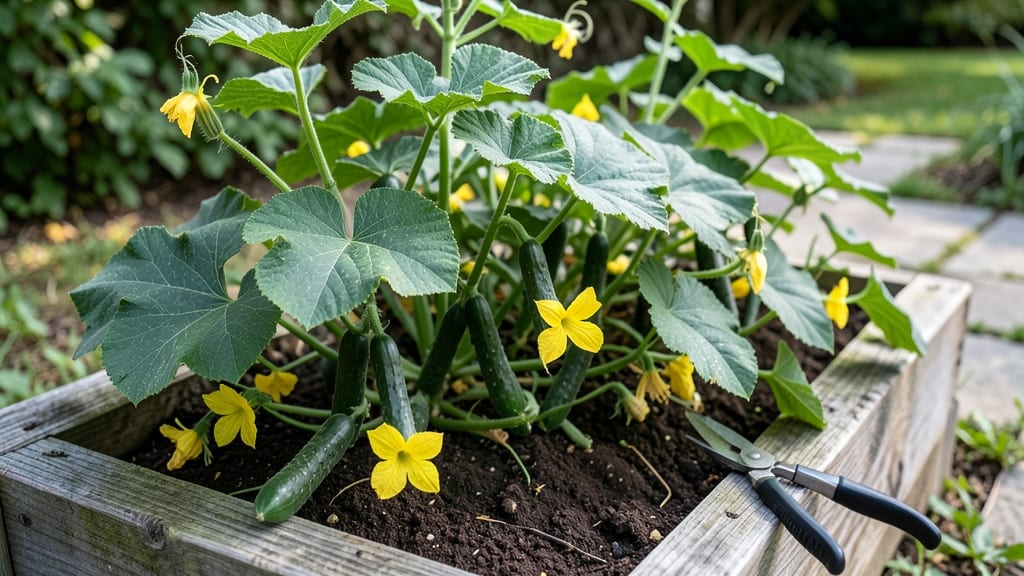
Growing burpless hybrid cucumbers from seed means no more bitter surprises in your salad—just sweet, crisp slices ready in 55 days. 🌱 Last summer, I swapped my usual bitter cucumbers for these hybrids and never looked back.
The secret? Proper soil, consistent water, and picking at the right size. These cucumbers thrive in full sun and well-draining soil with a pH of 6.0-6.8. Start seeds indoors 3-4 weeks before last frost, then transplant seedlings 12-18 inches apart.
A trellis keeps vines off the ground, improving air flow and reducing disease. The first harvest arrives in 55 days, and the flavor stays mild if you pick when 6-8 inches long. Avoid overwatering—consistent moisture prevents bitterness, while soggy soil invites pests like cucumber beetles.
Perfect for containers or in-ground gardens, these cucumbers outperform traditional varieties in heat and humidity. Here’s how to keep them productive all season!
The Science Behind Cucumber Bitter Taste
Even with burpless hybrid cucumber seeds, some gardeners still encounter unexpected bitterness in their harvest. While these varieties are bred to minimize the issue, a few key factors can trigger that unpleasant, pucker-inducing flavor.
Understanding why it happens is the first step to avoiding it. Let’s break down the real culprits—from genetics to growing conditions—and how they interact to turn your crisp cucumbers into a bitter disappointment.
Not all seeds are created equal, even within "burpless" hybrids. Here’s what’s really going on:
- Incomplete dominance: Some hybrid seeds may carry recessive genes for bitterness (like Cucumis sativus’s B gene) that aren’t fully suppressed. If environmental stress activates these genes, bitterness can sneak in.
- Cross-pollination risks: If your burpless hybrid is accidentally pollinated by a bitter wild cucumber (e.g., Cucumis hardwickii), the offspring may inherit bitter compounds like cucurbitacin.
- Seed age & viability: Older seeds or those stored improperly may not "perform" as advertised. Always plant seeds within 1–2 years of packaging for consistent results.
Actionable fix: Buy from reputable suppliers (like Baker Creek Heirloom Seeds or Johnny’s Selected Seeds) and store seeds in a cool (40–50°F), dark, dry place.
Cucumbers are drama queens—they throw a fit when conditions aren’t ideal, and bitterness is their way of saying, "I’m not happy!" Here’s what sets them off:
| Stress Factor | How It Causes Bitterness | Solution |
|---|---|---|
| 🔥 Extreme Heat (above 90°F) | Heat accelerates the production of cucurbitacins (natural toxins that taste bitter). The plant "overproduces" these compounds as a defense mechanism. | Use shade cloth (30–50%) and mulch to keep roots cool. Water deeply in the morning to reduce heat stress. |
| 💧 Inconsistent Watering | Fluctuating moisture levels trigger osmotic stress, forcing the plant to ramp up bitter compounds. Drought stress is especially guilty. | Water at the base (not leaves) and aim for 1–1.5 inches per week. Drip irrigation is ideal. |
| 🌡️ Cold Snaps or Frost | Cold temperatures slow metabolism, leading to accumulation of secondary metabolites (including bitterness). Young plants are most vulnerable. | Use row covers or grow in containers for mobility. Plant after the last frost date in your zone. |
| 🌿 Poor Soil Nutrition | Deficiencies in magnesium, calcium, or boron disrupt cellular processes, increasing bitterness. Excess nitrogen (without potassium) can also tip the balance. | Test soil and amend with compost, aged manure, or a balanced fertilizer (10-10-10). Avoid over-fertilizing with nitrogen. |
Even the crispiest cucumber can turn bitter after it’s picked if mishandled. Here’s how:
- Overripe cucumbers: As cucumbers mature, they convert sugars into starches and cucurbitacins, making them seedy and bitter. Always harvest when firm and bright green (before 6 inches long for slicers).
- Ethylene exposure: Storing cucumbers near ethylene-producing fruits (like apples or bananas) speeds up ripening and bitterness. Ethylene gas triggers the plant’s "aging" response.
- Physical damage: Bruised or cut cucumbers release enzymes that convert glucose into bitter compounds. Handle gently and store whole.
Actionable fix:
- 🔪 Harvest every 2–3 days to prevent overripening.
- 🧊 Store in the fridge (40–50°F) in a paper towel-lined container to reduce moisture buildup.
- 🚫 Avoid washing until ready to eat—excess moisture speeds up spoilage.
Pro Tip: 💡 If you do get a bitter cucumber, don’t toss it! Peel it (bitterness is in the skin) and use it in cooked dishes (like stir-fries or pickles), where heat can neutralize the flavor.
Fixing Common Growing Challenges
Growing burpless hybrid cucumbers should be a breeze, but even the best seeds can face hiccups—like bitter flavors, poor germination, or pests. Don’t let these issues derail your harvest! Below, we’ve mapped out practical fixes for the most common problems, along with prevention tips to keep your plants thriving. 🌱✨
Cause: Cucumbers turn bitter when stressed—too much heat, drought, or over-ripening triggers cucurbitacin (the compound responsible for bitterness).
Fix:
- 💧 Water Deeply & Consistently – Aim for 1–2 inches of water per week, especially during dry spells. Drip irrigation or soaker hoses keep roots happy without wetting leaves (which can invite disease).
- 🌡️ Harvest at Peak Ripeness – Pick cucumbers when they’re firm, bright green, and 6–8 inches long (check your seed packet for variety-specific size). Overripe cucumbers = bitter cucumbers!
- 🌿 Provide Shade on Hot Days – Use floating row covers or shade cloth (30–50%) if temps hit 90°F+. Burpless hybrids are heat-tolerant, but extreme heat still stresses them.
- 🍃 Fertilize Right – Too much nitrogen = leafy growth, fewer fruits. Switch to a balanced 5-10-10 fertilizer once flowers appear, or use compost tea for a gentle boost.
Prevention Tip: 💡 Plant in well-draining soil with 3–4 feet of space between vines to reduce competition and stress.
Cause: Cold soil, dry seeds, or poor soil contact can stall germination.
Fix:
- 🌡️ Warm Up the Soil – Cucumber seeds need soil temps of 70–90°F to sprout. Use black plastic mulch or a seedling heat mat if your climate is chilly.
- 💧 Keep Soil Moist (Not Soggy) – Water gently but thoroughly before planting, then maintain even moisture. A spray bottle works for delicate seeds.
- 🔍 Plant at the Right Depth – Bury seeds ½–1 inch deep (check packet guidelines). Too shallow = dry seeds; too deep = weak sprouts.
- 🌱 Use a Germination Booster – Soak seeds in warm water for 4–6 hours before planting, or mix with sand or vermiculite for better moisture retention.
Prevention Tip: ✨ Start indoors 2–3 weeks before last frost in a seedling tray with heated mats if your growing season is short.
Cause: Aphids, cucumber beetles, powdery mildew, and downy mildew love burpless cucumbers—and they’ll ruin your harvest if unchecked.
Fix:
- 🛡️ Prevent Beetles & Aphids
- 🌿 Handpick pests early in the morning when they’re sluggish.
- 🍃 Use row covers (fine mesh) until flowers appear (then remove to allow pollination).
- 🌶️ Spray with neem oil or insecticidal soap (follow label rates). Avoid harsh chemicals—they can harm bees!
- 🍃 Stop Powdery Mildew
- 💨 Improve airflow by pruning vines and spacing plants properly.
- 🌧️ Water at the base (never overhead) to keep leaves dry.
- 🍯 Apply baking soda spray (1 tsp baking soda + 1 quart water + a drop of dish soap) weekly as a preventative.
- 🍃 Fight Downy Mildew
- 🌱 Rotate crops—don’t plant cucumbers in the same spot yearly.
- 🌿 Use resistant varieties (some burpless hybrids, like ‘Diva’ or ‘Sweet Success,’ have better disease resistance).
- 🍄 Treat with copper fungicide at the first sign of yellow spots on leaves.
Prevention Tip: 💡 Interplant with marigolds or basil—these act as natural pest repellents!
Cause: Cucumbers are vines, not self-pollinating—if bees aren’t visiting, you’ll get flowers but no fruit.
Fix:
- 🐝 Attract Pollinators – Plant bee-friendly flowers (like nasturtiums or sunflowers) nearby.
- 👨🍳 Hand-Pollinate – On cloudy or bee-less days, gently tap vines or use a small paintbrush to transfer pollen from male to female flowers (female flowers have tiny cucumbers at their base).
- 🌿 Avoid Over-Fertilizing with Nitrogen – Too much = lots of leaves, few flowers. Switch to a phosphorus-rich fertilizer (5-10-10) when buds form.
Prevention Tip: ✨ Plant in full sun (6–8 hours/day)—partial shade reduces flowering.
Cause: Yellow leaves can mean overwatering, underwatering, nutrient deficiency, or disease.
Fix:
| Symptom | Likely Cause | Solution |
|---|---|---|
| Yellow lower leaves | Overwatering or poor drainage | Let soil dry slightly between waterings; improve drainage with compost. |
| Yellow edges (crispy) | Underwatering or heat stress | Water deeply 2x/week; mulch to retain moisture. |
| Yellow + wilting | Fungal disease (e.g., powdery mildew) | Remove affected leaves; spray with neem oil or copper fungicide. |
| Yellow + stunted growth | Nitrogen deficiency | Add compost or a balanced fertilizer (10-10-10). |
Prevention Tip: 🌡️ Monitor soil moisture with your finger—top 1–2 inches should be dry before watering again.
Track watering, fertilizing, and pest issues to spot patterns. A simple notebook or app (like Gardenate) helps you adjust next season for even better burpless cucumbers!
With these fixes, your burpless hybrid cucumbers will thrive—sweet, crisp, and ready to harvest in just 55 days! 🥒💚
Frequently asked questions
Can I grow burpless hybrid cucumbers in containers?
These cucumbers thrive in containers as long as the pot is at least 12 inches deep and 18 inches wide. Use a lightweight potting mix with compost, and provide a trellis or cage for vertical growth. Containers help prevent soil-borne diseases and make it easier to rotate crops.
How do I know if my burpless cucumber seeds are still viable?
Test viability by placing seeds in a glass of water. Sinkers are good (plant them!), while floaters are likely dead. For extra insurance, soak seeds in warm water for 4–6 hours before planting—this speeds up germination. Store seeds in a cool, dry place for up to 2 years.
Why are my burpless cucumbers still bitter?
Even hybrid seeds can develop bitterness from stress like extreme heat (above 90°F), inconsistent watering, or overripening. Harvest when cucumbers are 6–8 inches long and bright green, and provide shade cloth during heatwaves. Water deeply at the base, not the leaves.
Do burpless cucumbers need bees for pollination?
Yes! While they’re called "burpless," they still need pollination to produce fruit. Plant bee-friendly flowers nearby (like nasturtiums) or hand-pollinate on cloudy days using a small paintbrush. Female flowers have tiny cucumbers at their base—focus on these for pollination.
Can I save seeds from burpless hybrid cucumbers?
Hybrid seeds won’t produce true-to-type offspring, so saving seeds isn’t recommended. For consistent results, buy fresh burpless hybrid seeds each season from trusted suppliers. If you want to experiment, try crossing with heirloom varieties—but expect variable results!