
Lawn
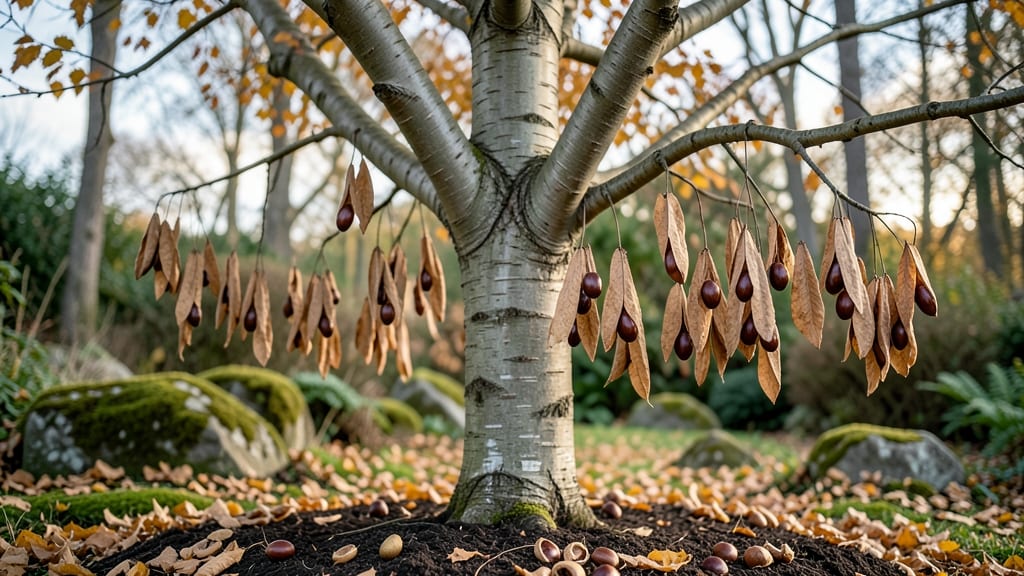
Harvesting beech seed pods in late fall is your golden ticket to growing these stately trees from scratch. 🌿 The spiky little pods are nature’s way of protecting seeds that need a little patience—and the right timing—to sprout.
I’ve turned dozens of these into thriving seedlings by following a few key steps, and you can too, without the fuss.
The secret starts with collecting pods when they’ve fully matured but haven’t yet released their seeds—usually in October or November, just as they begin to open. Store them in a paper bag for 3-6 months to mimic winter’s natural stratification, which breaks seed dormancy.
No fancy equipment needed, just time and a little observation.
Once stratified, you’ll see tiny roots emerging within 4-8 weeks when planted in well-draining soil. Beech seedlings love partial shade and consistent moisture, but they’re tough enough to handle full sun once established.
The first year is all about patience—your little saplings will grow slowly but steadily, setting the stage for a future shade tree.
Perfect for woodland gardens, urban landscapes, or even as a privacy screen. Just avoid planting in areas prone to drought or heavy foot traffic—they’re slow to recover once stressed.
With the right care, these seeds turn into trees that can live for centuries, starting with something as simple as a fall walk and a paper bag.
📚 In This Guide
- What you need
- Instructions
- Tips and common mistakes
- Wrapping up and next steps
What you need
- ● Fresh beech seed pods: Collect 50–100 mature pods (brown, spiky husks) from healthy beech trees in late fall or early winter.
- ● Pruning shears or sharp scissors: One pair with clean, sharp blades (sterilize with rubbing alcohol if reusing).
- ○ Large bucket or mesh bag: A 5-gallon capacity to hold pods and seeds (optional: label it to avoid mix-ups!).
- ● Plastic container with lid: A shallow, airtight container (e.g., Tupperware) for seed storage (1–2 quart size).
- ● Paper towels or coffee filters: 2–3 sheets for drying seeds (unbleached, seed-safe).
- ● Fine-mesh strainer or sieve: ¼-inch mesh to separate seeds from husks (or a clean kitchen strainer in a pinch).
- ● Spray bottle with water: For light misting (avoid soaking—seeds need airflow!).
- ○ Notebook & pen: To log harvest dates, pod sources, or germination notes (optional but helpful!).
- ● Gloves: Lightweight gardening gloves to protect hands from prickly husks.
- ● Seed germination tray: A shallow tray with drainage holes (for pre-sprouting).
- ● Humidity dome or plastic wrap: To create a mini greenhouse effect during early germination.
- ● Labeling tags: Small adhesive labels for organizing seeds by variety or harvest date.
- ○ Portable hand vacuum (optional): For quick cleanup of seed debris (great for messy harvesters!).
How to harvest and prepare beech seed pods for germination
Here's my foolproof method for collecting and storing beech seed pods—no specialized tools or guesswork required.
🌿 Step 1: Identify and Collect Ripe Seed Pods
Beech seed pods (also called beechnuts) are ready for harvest when they turn from green to a rich, golden-brown color and begin to open slightly. I look for pods that have fallen naturally to the ground in late summer or early fall—this means they're fully mature and ready for planting. Avoid green pods, as they won't germinate successfully.
Collect pods on a dry day when the ground isn't wet. Use a small rake or your hands to gather them from the forest floor. I like to place them in a breathable fabric bag (like an old pillowcase) to prevent moisture buildup. Never store them in plastic bags—they'll sweat and rot.
🪴 Step 2: Clean and Dry the Seed Pods
Once home, spread the pods out on a clean, dry towel or paper towels in a single layer. Let them air-dry for 3-5 days in a warm, shaded spot. The goal is to reduce moisture content while keeping the pods intact. You'll know they're dry enough when the outer husks feel crisp and the seeds inside rattle slightly when shaken.
Remove any debris, empty pods, or damaged seeds by hand. Discard any pods that show signs of mold, insect damage, or soft spots. Store only the firm, healthy-looking pods—they're the ones that will germinate reliably.
⏰ Step 3: Stratify for Germination Success
Beech seeds require stratification to break dormancy. Place the dried pods in a sealed plastic bag with a damp (not wet) mix of sand and peat moss (equal parts). I use about 1 cup of mix per 10 pods—just enough to surround them completely. Seal the bag and refrigerate for 3-4 months at 35-40°F.
Check the bag monthly to ensure the mix stays moist but not soggy. If condensation forms inside, open the bag for a few hours to air it out. After the stratification period, the pods should feel slightly softened when gently squeezed—a sign the seeds are ready to germinate.
🌱 Step 4: Sow Stratified Seed Pods
Fill small pots (about 3 inches deep) with a sterile seed-starting mix, leaving ½ inch of space at the top. Plant 2-3 pods per pot, pressing them ½ inch deep into the soil. Water lightly until the soil is evenly moist, but avoid oversaturating—beech seeds rot easily if too wet.
Place the pots in a bright, indirect light spot (like a north-facing window) and maintain 60-65°F soil temperatures. Germination can take 4-8 weeks, so be patient. Once seedlings emerge, thin to the strongest one per pot. Transplant outdoors after the last frost when seedlings are 4-6 inches tall.
☀️ Step 5: Care for Young Beech Seedlings
Beech seedlings thrive in partial shade with well-draining soil. Keep the soil consistently moist but never waterlogged—young roots are sensitive to rot. I water when the top 1 inch of soil feels dry to the touch. Fertilize lightly with a balanced, diluted fertilizer (like 10-10-10) every 4-6 weeks during the growing season.
Watch for signs of stress, like yellowing leaves or stunted growth. These often indicate overwatering or poor drainage. Beech trees grow slowly, so don't rush—give them time to establish strong roots before expecting significant growth. With patience, you'll have a sturdy young tree ready for long-term planting in 2-3 years.
Tips & tricks for perfect beech seed pod germination
These simple strategies will help you maximize your beech seed pod harvest and ensure reliable germination every time.
Harvest Timing Matters: The golden-brown color is your cue—green pods won't germinate. I've found that late September through October gives the best results. Look for pods that have naturally fallen rather than forcing them from the tree, as this indicates they're fully mature. The slight opening you'll notice signals they're ready for collection.
Drying Technique: Spread pods in a single layer on paper towels to maximize airflow during the 3-5 day drying period. I place mine on a mesh cooling rack over a baking sheet to prevent moisture buildup from below. Test dryness by gently squeezing—if the husks feel crisp and the seeds rattle inside, they're ready for stratification. The key is patience here; rushing the drying process can lead to mold.
Stratification Setup: When creating your sand and peat moss mix, I recommend using coarse sand rather than fine play sand—it drains better and prevents sogginess. After sealing the bag, place it in the crisper drawer of your refrigerator where temperatures naturally stay between 35-40°F. This mimics winter conditions and breaks dormancy more effectively than a standard fridge shelf, which can have temperature fluctuations.
Post-Stratification Check: After the 3-4 month cold period, gently squeeze the pods again—they should feel noticeably softer than when you started. This softening indicates the seeds have completed their dormancy cycle. If any pods remain hard, they need another month of stratification. Discard any that show signs of mold or rot during this process, as they won't germinate successfully.
Pro Tips for Beech Seed Pods
- These simple strategies will help you maximize your beech seed pod harvest and ensure reliable germination every time.
- Harvest Timing Matters: The golden-brown color is your cue—green pods won't germinate.
- Drying Technique: Spread pods in a single layer on paper towels to maximize airflow during the 3-5 day drying period.
Frequently asked questions
about harvesting beech seed pods—here’s what you need to know!When is the best time to harvest beech seed pods?
Harvest beech seed pods in late fall (October–November) when they turn brown and split open naturally. Avoid collecting them too early—they won’t be fully mature. If pods remain on the tree past winter, they may lose viability, so act promptly!
How do I know if the seeds inside are viable?
Viable beech seeds should be plump, firm, and brownish. If they’re shriveled, moldy, or discolored, they’ve likely lost viability. For extra assurance, soak seeds in water for 24 hours—good seeds will sink. Pro tip: Store them in a cool, dry place until planting!
Can I use beech seed pods from any beech tree?
Most beech trees (like American or European beech) produce viable seeds, but avoid pods from stressed or diseased trees—they may yield weak or infected seedlings. If unsure, check local guidelines or consult a forestry expert for species-specific advice.
What if my seed pods won’t open naturally?
If pods stay closed, soak them in warm water for 1–2 days to mimic natural weathering. Alternatively, gently crack them open with a nutcracker or hammer (wear gloves!). Never force them—damaged seeds won’t germinate. Warning: Handle with care to avoid shell fragments.
Are there alternatives if I can’t find beech seed pods?
Yes! Buy pre-germinated beech seeds from nurseries or try American beech seedlings (available online). For a similar look, consider oak or hickory trees—though their pods/seeds have different harvesting needs. Check local plant swaps too!
Wrapping up and next steps
Beech seed pods may seem tricky at first, but with the right timing, tools, and techniques, harvesting them for germination is simpler than you think! 🌱 Whether you’re reviving a forest garden or just curious about nature’s cycles, these seeds offer a rewarding way to connect with the outdoors. Ready to give it a try? Start by gathering your supplies, scout for mature pods in late summer or fall, and follow the steps to collect, dry, and store them properly.
Your future beech trees—and the wildlife they’ll attract—will thank you!
Next steps:
- 📅 Mark your calendar for late summer or fall harvest season.
- 🌿 Explore local forests (with permission!) to find healthy beech trees.
- 📦 Prep your storage containers and label them for freshness.