
Lawn
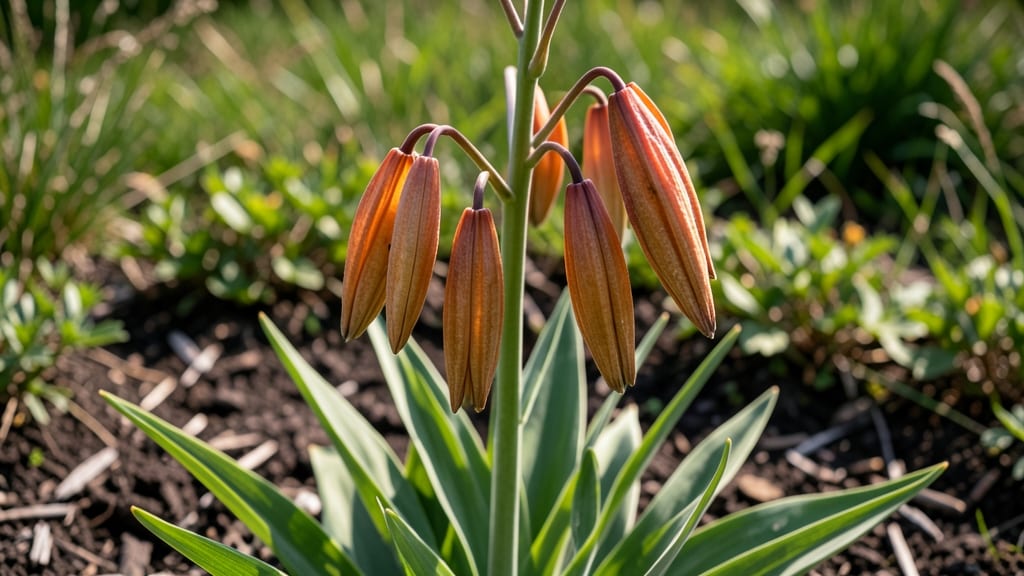
Harvesting Asiatic lily seed pods means next year’s garden could be packed with free, homegrown blooms. 🌸 The trick is knowing exactly when to collect them—before they crack open and scatter seeds everywhere. I’ve turned this messy process into a simple routine that saves seeds without the chaos.
You’ll need basic tools: pruning shears, brown paper bags, and a permanent marker for labeling. The best time to harvest is when the pods turn from green to tan but haven’t split yet—usually late summer to early fall.
A quick twist or snip is all it takes to preserve those seeds for planting.
Once you’ve collected them, let the pods dry completely indoors for about 2 weeks. Then, gently rub the dried pods to release the seeds, which you’ll store in a cool, dry place until spring. Germination rates are hit-or-miss, but even a few successful sprouts make it worthwhile.
This method works for any Asiatic lily variety, and the seeds you save will grow into plants just like the parent—no surprises. Just don’t expect perfect blooms right away; it takes patience, but the payoff is worth it for any lily lover.
📚 In This Guide
- What you need
- Instructions
- Tips and common mistakes
- Wrapping up and next steps
What you need
- ● Pruning shears or sharp scissors – Opt for bypass-style (clean cuts) or anvil-style (for tougher pods). Quantity: 1 pair (sterilized with rubbing alcohol).
- ● Garden gloves – Nitrile-coated or heavy-duty leather to protect from thorns and sap. Size: Medium or large (adjustable wrist strap recommended).
- ● Paper grocery bags or breathable mesh bags – Quantity: 3–5 (to avoid moisture buildup). Pro tip: Label bags with the lily variety if cross-pollination is a concern!
- ● Permanent marker – For labeling seed pods (e.g., date, lily type).
- ● Small hand trowel or spoon – Helps gently dislodge pods stuck in foliage.
- ● Disinfectant spray (70% isopropyl alcohol) – To clean tools between cuts and prevent disease spread.
- ● Magnifying glass – For inspecting pods for pests or damage before harvesting.
- ● Camera or phone – Snap photos of mature pods to track ripening stages next season.
- ● Seed drying tray or screen – If you plan to process seeds indoors (e.g., parchment paper + rubber bands work in a pinch!).
- ● 🌞 Timing: Harvest pods when they’re fully brown and papery (typically late summer to early fall). Never harvest green or partially ripe pods!
- ● ☀️ Weather: Choose a dry, overcast day to avoid crushing pods or attracting pests.
- ● 🌿 Plant Health: Ensure your asiatic lilies are free of fungal diseases (e.g., botrytis). Skip harvesting from sick plants.
How to harvest Asiatic lily seed pods for future plants
Skip the guesswork—here’s how to collect and store these pods so next year’s lilies thrive.
🌱 Step 1: Identify and Locate Mature Seed Pods
Asiatic lilies produce seed pods after blooms fade—look for the dried, papery capsules that form where flowers once were. These pods are usually 3-4 inches long and turn a light brown when ready. Harvest them before they split open or seeds scatter everywhere.
Check your plants weekly in late summer (August-September). You’ll know they’re mature when the pods feel crisp to the touch and seeds rattle inside. Wear gloves—some varieties have tiny hairs that irritate skin.
✂️ Step 2: Carefully Remove Pods Without Damaging Stems
Use clean, sharp pruners to snip pods at the base where they meet the stem. Cut just above the node (the small bump where leaves attach) to avoid leaving stubs. Place pods in a paper bag (not plastic—it traps moisture and speeds rot).
Don’t pull pods off by hand—you’ll risk tearing the stem or missing seeds inside. If a pod feels hollow when tapped, it’s already empty. Skip it and focus on the firm, seed-filled ones.
🪴 Step 3: Dry and Store Pods for Seed Extraction
Spread pods in a single layer on a mesh screen or paper towel in a cool, dry place (around 60-65°F) for 2-3 weeks. This slows moisture loss and prevents seeds from drying too fast. Stir them every few days to ensure even drying.
Once pods are completely dry and brittle, crack them open with a hammer or rolling pin. Pour seeds into a small envelope—they’re tiny, so don’t rush. Label the envelope with the lily variety and harvest date.
⏰ Step 4: Stratify Seeds for Best Germination Next Spring
Asiatic lily seeds need cold stratification to break dormancy. Mix seeds with damp sand or peat moss in a sealed container, then refrigerate for 8-12 weeks (around 35-40°F). Check moisture weekly—seeds should feel damp but not soggy.
After stratification, sow seeds ¼ inch deep in pots with well-draining mix. Keep soil moist but not wet until germination (which can take 4-8 weeks). Patience pays off—these seeds won’t sprout overnight!
🌿 Step 5: Transplant Seedlings When Ready
Once seedlings grow 2-3 inches tall with true leaves, harden them off by placing pots outside for 2-3 hours daily over 7-10 days. This toughens them for the garden. Transplant in spring after last frost, spacing them 12-18 inches apart in full sun. Mulch lightly to retain moisture.
New lilies may not bloom for 2-3 years, but the wait ensures hardy plants. Water deeply once a week once established—overwatering is the #1 killer of young lilies.
Tips & tricks for perfect Asiatic lily seed pod harvesting
Between us, harvesting these delicate pods can feel like a gardening tightrope—too early and you lose seeds, too late and they vanish into the wind. Here’s how to nail every step without the stress.
Timing is Everything: Those weekly checks in late summer (August-September) are non-negotiable. Morning is ideal—pods are crispest after dew dries, making them easier to handle. If rain’s in the forecast, harvest early to avoid mold risk. The crispness test is your best friend: a mature pod should sound like a tiny rattle when gently squeezed.
Tool Selection Matters: Skip the scissors! Pruners are your secret weapon here—their sharp blades cut cleanly just above the node without crushing stems. For extra precision, sterilize blades with rubbing alcohol between cuts, especially if you’re working with multiple plants. This prevents cross-contamination that could spread diseases.
Drying Strategy: The 2-3 weeks of drying at 60-65°F might feel like forever, but rushing this step is what causes brittle seeds. Place pods on a mesh screen in a breezy spot—like a covered porch—to prevent humidity buildup. Stir them every few days (I set a phone alarm for this!) to ensure even drying. Uneven drying leads to seeds that either won’t crack open or shatter when handled.
Stratification Hack: Don’t overthink the damp sand mixture—just keep it consistently moist like a wrung-out sponge. I use a small plastic container with holes punched in the lid for airflow. Mark your refrigerator with a reminder to check moisture weekly—seeds should stay damp but never soggy. This is where patience pays off: the 8-12 weeks of cold treatment mimics winter conditions and breaks dormancy naturally.
Pro Tips for Asiatic Lily Seed Pods
- Between us, harvesting these delicate pods can feel like a gardening tightrope—too early and you lose seeds, too late and they vanish into the wind.
- Timing is Everything: Those weekly checks in late summer (August-September) are non-negotiable.
- Tool Selection Matters: Skip the scissors!
Frequently asked questions
Got questions about harvesting and handling Asiatic lily seed pods? You’re not alone! Here are answers to the most common queries—so you can plan ahead like a pro.
When is the best time to harvest Asiatic lily seed pods?
Harvest seed pods when they’re dry and brown but before they split open (late summer to early fall). If you wait too long, seeds scatter, and you miss the chance to collect them. Aim for a crisp, papery texture—like a dried leaf—when gently tapping the pod.
How long does it take for Asiatic lily seed pods to mature?
Seed pods typically mature in 6–8 weeks after flowering. If your lilies bloom in early summer, pods usually form by mid-to-late summer. Keep an eye on them—maturity varies slightly by climate and variety.
Can I harvest seed pods from hybrid Asiatic lilies?
Yes, but results may vary. Hybrid lilies can produce seed pods, but the offspring might not match the parent’s traits (color, size, etc.). For consistent blooms, stick to dividing rhizomes instead—it’s faster and more reliable!
What do I do if my seed pods rot or mold before drying?
Overly wet or humid conditions can cause rot. If pods mold, remove them immediately to prevent spreading. To avoid this, harvest in dry weather and store pods in a paper bag in a cool, dry place (like a garage) with good airflow.
How should I store Asiatic lily seeds until planting?
Store seeds in a paper envelope or breathable bag in the fridge (not freezer) for up to 6 months. Label them with the variety and harvest date! For best germination, plant them as soon as possible in well-draining soil.
Wrapping up and next steps
Harvesting asiatic lily seed pods is a rewarding way to ensure next year’s vibrant blooms—without the stress! By following the right steps, you’ll save seeds effortlessly and give your garden a head start. Now’s the perfect time to take action: gather your tools, mark those pods, and enjoy the simple joy of nurturing your garden’s future.
🌱 Next step: Try harvesting just one pod this season, then expand as you gain confidence. Your future garden will thank you!