
Lawn
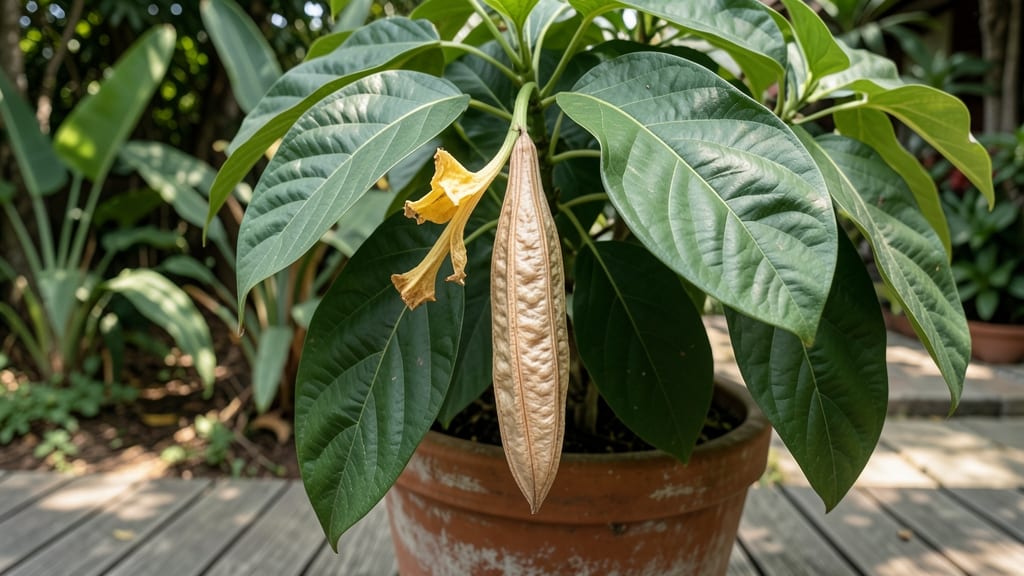
Harvesting angel trumpet seed pods turns a toxic plant into your next garden treasure. ✨ The key is timing—wait until the pods turn brown and papery, then carefully snip them before they split open on their own.
I’ve learned the hard way that rushing this step means losing seeds to birds and squirrels before they’re ready.
Once you’ve got the pods, drying them properly is everything. Spread them in a well-ventilated spot for 2-3 weeks, turning them occasionally so they don’t mold. Inside, you’ll find glossy black seeds that look harmless but are highly toxic—always wear gloves when handling them.
The dried pods can even be stored in paper bags for up to a year, ready for spring planting.
Germination takes patience, but the payoff is worth it. Soak the seeds for 24 hours before planting in a light, sandy mix—they need warmth and bright indirect light to sprout.
Most seeds germinate within 4-6 weeks, though some stubborn ones may take months. Start them indoors in early spring to give them a head start before transplanting outside.
Watch for black mold or rot—this means your drying process failed. If seeds sprout too fast, they’ll be leggy and weak. The trick is consistency: keep soil barely moist and avoid cold drafts.
With the right care, you’ll have lush angel trumpet seedlings ready to take over your garden’s skyline by next summer.
📚 In This Guide
- What you need
- Instructions
- Tips and common mistakes
- Wrapping up and next steps
What you need
- ● Mature angel trumpet plants (Brugmansia spp.) – Ensure pods are fully brown and dry (typically late summer/fall).
- ● Pruning shears or sharp scissors – Must be clean and sterilized to prevent disease spread.
- ● Brown paper bags or breathable mesh sacks – 2–3 bags (1 per 5–10 pods) to collect seeds and allow airflow.
- ● Labeling tags or masking tape + marker – To note harvest dates and plant varieties (e.g., "Brugmansia ‘Pink Dawn’ – 2024").
- ● Plastic or glass containers with lids – 1–2 airtight containers (quart-sized) for long-term storage.
- ○ Desiccant packets (optional but recommended) – 1–2 packets to absorb moisture in storage containers.
- ● Gloves (nitrile or gardening) – Protects hands from sap and potential skin irritation.
- ● Small hand trowel or butter knife – Helps gently pry open stubborn pods if needed.
- ○ Fine-mesh strainer or sieve – For separating seeds from chaff (optional but handy).
- ● Spray bottle with water – To dampen pods slightly if they’re overly dry or brittle.
- ● Notebook or digital notes app – Track germination rates or storage conditions over time.
- ● Dry, warm conditions – Harvest on a sunny, wind-free day (humidity >70% can mold seeds).
- ● Patience (2–4 weeks for pods to fully dry) – Rushing can reduce seed viability.
- ● Knowledge of your climate zone – Angel trumpets thrive in USDA Zones 9–11; adjust storage timing if in cooler areas.
How to harvest angel trumpet seed pods for long-term storage
Angel trumpet seed pods are your ticket to growing these dramatic plants year after year—here's how to collect and store them properly.
🌿 Step 1: Identify and Monitor Mature Seed Pods
Watch your angel trumpet plants as the blooming season winds down. Mature seed pods will appear as elongated, brown capsules that feel slightly leathery to the touch. They typically form after the flowers have fully bloomed and wilted—usually in late summer or early fall, depending on your climate.
Gently shake the plant or examine the stems for these pods. They should be completely dry and hard to the touch, with no green remnants. If you harvest too early, the seeds inside won't be fully developed. I like to wait until about 80% of the pods on a plant have turned brown before starting the collection process.
✂️ Step 2: Harvest and Dry the Seed Pods
Use clean, sharp pruning shears to snip the seed pods from the stems. Cut just above the pod itself to avoid damaging the plant. Place the pods in a single layer on a clean, dry surface—like a wire rack or an old window screen—to air dry for 7-10 days in a warm, dry location.
Here's the thing—avoid direct sunlight during this drying process. Bright light can cause the pods to overheat or even crack open prematurely. Instead, choose a spot with good airflow, like a covered porch or a well-ventilated room with a temperature between 65-75°F. You'll know they're fully dry when the pods feel light and papery, and the seeds inside rattle when shaken.
🪴 Step 3: Extract and Store the Seeds
Once the pods are completely dry, gently squeeze or crack them open to release the seeds. I find using a small hammer or rolling pin works best—just tap the pods lightly until they split. Avoid crushing the seeds themselves, as they're quite delicate. Spread the seeds out on a clean surface to remove any remaining pod fragments or debris.
Store the clean seeds in a paper envelope or small glass jar. Label the container with the plant variety and the harvest date—this helps track seed viability over time. Keep the seeds in a cool, dark place, like a pantry or seed storage box, where the temperature stays between 40-50°F and the humidity is low. Under these conditions, angel trumpet seeds can remain viable for 2-3 years.
⏰ Step 4: Test Seed Viability Before Planting
Before you plant your stored seeds, it's wise to test their viability. Place 5-10 seeds between two damp paper towels in a sealed plastic bag. Keep them in a warm spot (70-75°F) and check daily for signs of germination, which should occur within 10-14 days. If fewer than 50% of the seeds sprout, consider treating them with a seed germination enhancer or collecting fresh pods for a new batch.
If the seeds germinate well, you're ready to plant. Angel trumpet seeds need warm soil (70-80°F) and bright, indirect light to sprout successfully. Keep the soil consistently moist but not soggy during the germination process—this is where most new growers go wrong. I like to use a humidity dome or plastic wrap to help retain moisture until the seeds sprout.
Tips & tricks for perfect angel trumpet seed pod harvesting
Real talk: Harvesting angel trumpet seed pods might seem intimidating, but these simple tricks will help you avoid common mistakes and maximize seed viability.
Timing is Everything: In Step 1, when waiting for those 80% of pods to turn brown, don't rush! I've learned the hard way that harvesting too early means underdeveloped seeds. Look for pods that feel completely dry and hard—if they still have any green remnants, give them another week. The seeds need full maturity to germinate properly later.
Drying Strategy: During the 7-10 day drying process in Step 2, I've found that placing a small fan nearby helps maintain airflow without direct sunlight. This prevents overheating while ensuring even drying. If your pods start to feel damp after a few days, extend the drying time by another 2-3 days—better safe than sorry with these delicate seeds.
Storage Wisdom: When storing your seeds in Step 3, consider adding a small packet of silica gel to your paper envelope or jar. This extra step helps absorb any moisture that might compromise seed viability over those 2-3 years. I also like to write the harvest year on the label—it's easy to forget when you're storing multiple varieties!
Pro Tips for Angel Trumpet Seed Pod
- Real talk: Harvesting angel trumpet seed pods might seem intimidating, but these simple tricks will help you avoid common mistakes and maximize seed viability.
- Timing is Everything: In Step 1, when waiting for those 80% of pods to turn brown, don't rush!
- Drying Strategy: During the 7-10 day drying process in Step 2, I've found that placing a small fan nearby helps maintain airflow without direct sunlight.
Frequently asked questions
Got questions about harvesting and storing angel trumpet seed pods? You’re not alone! Here are some of the most common queries—and their answers—to help you navigate the process like a pro.
When is the best time to harvest angel trumpet seed pods?
The ideal harvest window is when the pods turn light brown and start splitting open naturally—usually late summer to early fall. Wait until they’re dry but not brittle; if they crumble at the touch, you’ve missed the boat! Harvesting too early means immature seeds, while waiting too long risks seed loss to birds or weather.
How do I store angel trumpet seeds long-term without them losing viability?
Store seeds in a cool, dry place (like a sealed jar in the fridge) with a desiccant packet to prevent moisture. Label them with the harvest date—most stay viable for 1–2 years. Avoid plastic bags (they trap humidity) and check periodically for pests. For extra insurance, freeze them for up to 5 years!
Are there any risks or precautions I should take when handling these pods?
Yes! Angel trumpet pods contain toxic alkaloids—wear gloves and avoid skin contact. Keep them away from pets/kids, and never ingest them. If you’re allergic to nightshades (like tomatoes), proceed with caution. Work in a well-ventilated area, and wash hands thoroughly after handling.
What can I do if my pods rot or mold before they’re ready to harvest?
Overly humid or rainy weather? Act fast! Gently prune affected pods and discard them (don’t compost—mold spreads). Improve airflow by thinning nearby foliage or harvesting earlier if possible. For future crops, plant in full sun with well-draining soil to reduce rot risks.
Can I grow angel trumpet from store-bought seeds, or do I need to harvest my own?
Store-bought seeds work, but home-harvested pods often yield healthier plants adapted to your climate. If buying, opt for organic, non-GMO seeds from reputable sellers. Pro tip: Mix your harvested seeds with sand before storing to improve airflow and prevent clumping!
Wrapping up and next steps
Harvesting angel trumpet seed pods doesn’t have to be a stressful task—with the right tools and techniques, you can ensure a bountiful yield while keeping your seeds viable for year-round storage. 🌱 Whether you’re a seasoned gardener or just starting out, mastering this process opens up endless possibilities for propagation and sharing.
Now that you’re equipped with the knowledge, why not take the next step? Try harvesting a few pods this season, experiment with storage methods, and watch your garden thrive with homegrown beauty!