
Lawn
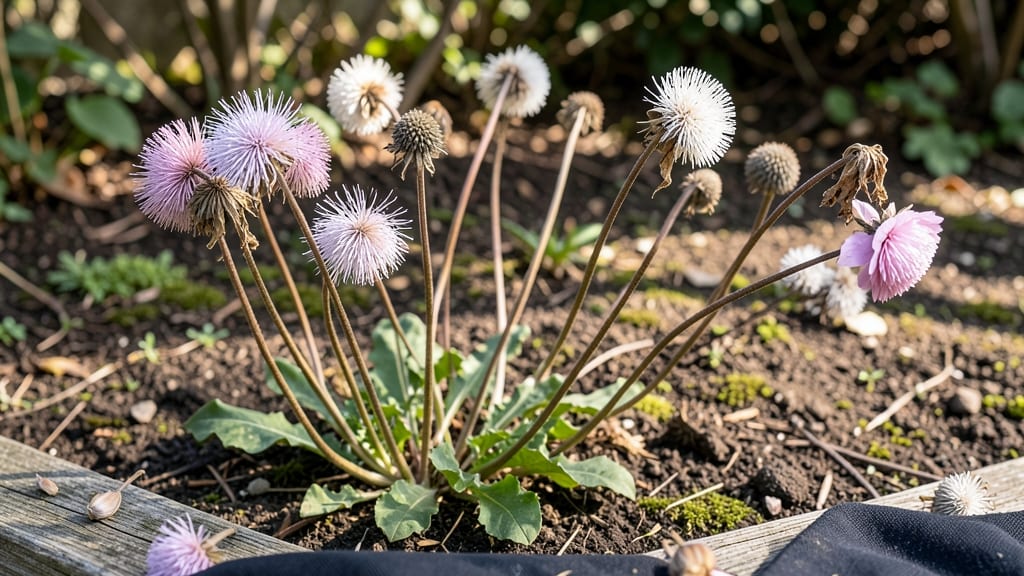
Saving anemone seed heads means next year’s garden gets a head start with fragrant, delicate blooms that thrive in partial shade. 🌿 I’ve learned the hard way—skipping this step means missing out on free, heirloom-quality plants that multiply effortlessly when done right.
The key is timing: harvest those papery seed heads when they’ve turned completely brown but before they scatter in autumn winds.
You’ll need just a few simple supplies: clean paper bags for collecting, a dry spot indoors, and patience for the drying process. After gathering, let them dry on newspaper for about two weeks—this prevents mold and ensures viability.
Store the dried heads in an airtight container in a cool, dark place until spring planting. No fancy equipment needed, just attention to detail.
When spring arrives, you’ll have seed heads ready to sow directly in the garden or start indoors for a jump on the season. The payoff? Clusters of anemones that multiply year after year, their silky petals and dark centers creating a dreamy, woodland feel.
Plus, you’ll save money and avoid the disappointment of store-bought plants that never quite match the garden’s charm.
This method works for all anemone varieties, from the classic Japanese anemone to the delicate windflowers. Whether you’re a beginner or a seasoned gardener, these steps make propagation foolproof. Here’s how to get started without the guesswork.
📚 In This Guide
- What you need
- Instructions
- Tips and common mistakes
- Wrapping up and next steps
What you need
- ● Anemone seed heads: Freshly harvested from your garden (ensure they’re fully mature and dry on the plant). Aim for at least 10-15 heads for a good yield.
- ● Brown paper bags: 1-2 per seed head (or a large breathable bag for bulk storage). Size: Large enough to fit each head loosely.
- ● Scissors or pruning shears: Sharp and clean for harvesting. Tip: Sterilize with rubbing alcohol for hygiene!
- ● Newspaper or cardboard: For a drying tray or layering under seed heads.
- ● Air-dry space: A warm, well-ventilated area (like a garage or shed) with no direct sunlight.
- ● Small paper envelopes or seed packets: For long-term storage (1 per seed head or batch). Label them!
- ● Permanent marker or labels: To tag varieties and harvest dates.
- ● Desiccant packets: Tiny silica gel packs to absorb extra moisture in storage containers.
- ● Glass jars with lids: For a stylish, airtight storage alternative to paper bags.
- ● Hair dryer (cool setting): To speed up drying if you’re in a hurry (use sparingly!).
- ● Twine or rubber bands: To bundle seed heads together for easier drying.
How to dry and store anemone seed heads for next season
Preserving anemone seed heads lets you grow these delicate blooms again—here’s my foolproof method.
🌿 Step 1: Harvest Seed Heads at Peak Maturity
Wait until the seed heads turn a pale brown and the fluffy pappus (the feathery part) begins to emerge. This usually happens 4-6 weeks after flowering, when the blooms have fully dried on the plant. Gently twist the seed head free from the stem—don’t cut it—so you don’t damage the delicate structure.
Harvest on a dry, sunny morning when moisture levels are low. This prevents mold from forming during drying. Place the seed heads in a single layer on a clean, dry paper towel to catch any stray moisture. I like to lay them out on a wire mesh rack to allow airflow on all sides—this keeps them from sticking together.
💧 Step 2: Dry Seed Heads Properly
Find a warm, dry, well-ventilated spot with indirect sunlight—a shady windowsill or a ventilated closet works best. Avoid direct sun, which can scorch the seed heads and reduce viability. Let them dry for 2-3 weeks, flipping them every few days to ensure even drying.
You’ll know they’re fully dry when the pappus feels light and papery, and the seed head rattles when shaken. If any seeds feel damp or sticky, extend the drying time—moldy seeds won’t germinate. Store them in a paper bag (not plastic) to allow airflow while keeping pests out.
⏰ Step 3: Store Seed Heads for Long-Term Viability
Once completely dry, transfer the seed heads to an airtight container—I use a glass jar with a tight-sealing lid. Add a small packet of silica gel to absorb any lingering moisture. Label the container with the anemone variety and the harvest date to track freshness.
Store in a cool, dark place like a pantry or basement, where temperatures stay consistent and below 70°F. Anemone seeds remain viable for 1-2 years under these conditions. Check the container monthly for signs of moisture or pests—if you see condensation or webbing, dry the seeds again before resealing.
🌱 Step 4: Test Germination Before Planting Next Year
Before sowing, test a few seeds to ensure viability. Plant 3-4 seeds in a small pot with moist seed-starting mix, covering them ¼ inch deep. Keep the soil evenly moist (not soggy) and place the pot in a warm spot with bright, indirect light. Germination should occur in 2-4 weeks—if none sprout, your seeds may have lost viability.
If the seeds germinate well, you’re ready to plant them outdoors in early spring, after the last frost. Scatter them lightly on the soil surface (they need light to germinate) and press them in gently. Keep the soil moist until seedlings emerge—patience is key with anemones, as they take their time to sprout.
Tips & tricks for perfectly preserved anemone seed heads
Saving these delicate blooms for next season takes patience—and a few pro moves to avoid common pitfalls. Here's what I've learned after perfecting my own seed-saving routine.
Harvest Timing is Everything: The 4-6 week window after flowering is critical. I've found that harvesting on a dry morning (when dew has evaporated) makes all the difference—any lingering moisture speeds up mold growth during drying. If you miss this window, the seed heads may shatter or develop mold before you can properly preserve them.
Airflow is Non-Negotiable: During the 2-3 week drying period, I use a simple wire mesh rack to create space between seed heads. This prevents them from sticking together and ensures even drying. If you don't have a rack, spread them out on a clean paper towel with plenty of space between each head—crowding is the #1 reason for uneven drying and mold.
Storage Wisdom: That cool, dark spot below 70°F isn't just about temperature—it's about creating a stable environment. I've had the best success with glass jars because they're less prone to condensation than plastic containers. The silica gel packet is worth including; even if your seeds feel dry, they can still absorb moisture from the air over time. I check my stored seeds monthly just to be sure.
Germination Test Matters: Planting just 3-4 seeds for your test is perfect—it gives you a good sample without wasting too many. I've learned that anemone seeds are particularly sensitive to overwatering during germination, so I use a spray bottle to keep the soil evenly moist rather than watering from above. This prevents disturbing the tiny seeds while they sprout.
Pro Tips for Anemone Seed Heads
- Saving these delicate blooms for next season takes patience—and a few pro moves to avoid common pitfalls.
- Harvest Timing is Everything: The 4-6 week window after flowering is critical.
- Airflow is Non-Negotiable: During the 2-3 week drying period, I use a simple wire mesh rack to create space between seed heads.
Frequently asked questions
Got questions about saving anemone seed heads? You’re not alone! Here are some of the most common concerns—plus quick, practical answers to keep your garden thriving.
How do I know when anemone seed heads are ready to harvest?
Harvest seed heads when they turn light brown and begin to split open naturally—usually 4–6 weeks after flowering. Avoid harvesting if pods are still green or damp, as they won’t dry properly. Pro tip: Pick them on a dry, sunny day to prevent mold.
How long do anemone seed heads take to dry indoors?
Most seed heads dry in 1–3 weeks if hung in a well-ventilated, dry spot (like a mesh bag or paper envelope). Check weekly—if they feel light as a feather when shaken, they’re ready! Troubleshooting: Add silica gel packets if humidity is high.
Can I save anemone seeds from store-bought flowers?
Yes! Many hybrid anemones (like Anemone coronaria) produce viable seeds, but results may vary. For best success, choose open-pollinated varieties (not hybrids like ‘De Caën’). If unsure, ask the nursery—some hybrids don’t come true from seed.
What do I do if my seed heads attract pests (like aphids or beetles)?
Spray seed heads with neem oil or insecticidal soap if pests appear. For heavy infestations, freeze them for 48 hours to kill pests before drying. Prevention tip: Harvest early and store seeds in airtight containers to deter critters.
Will anemone seeds grow true to the parent plant?
Not always! Many anemones are hybrids, so seeds may produce different colors or sizes. For consistent blooms, start with named cultivars or divide mature plants. Fun fact: Some wild anemones (like Anemone nemorosa) self-seed reliably!
Wrapping up and next steps
Transforming your anemone seed heads into next year’s fragrant blooms is a rewarding process that connects you to nature’s cycle. By drying and storing them properly, you’re not just preserving beauty—you’re nurturing future gardens with minimal effort.
Whether you’re a seasoned gardener or a curious beginner, this simple method ensures your anemones will thrive for seasons to come.
Ready to take the next step? Grab your dried seed heads, grab a notebook, and jot down your favorite varieties—then plan where they’ll bloom next spring! Your garden’s future is just a seed away. 🌱