
Lawn
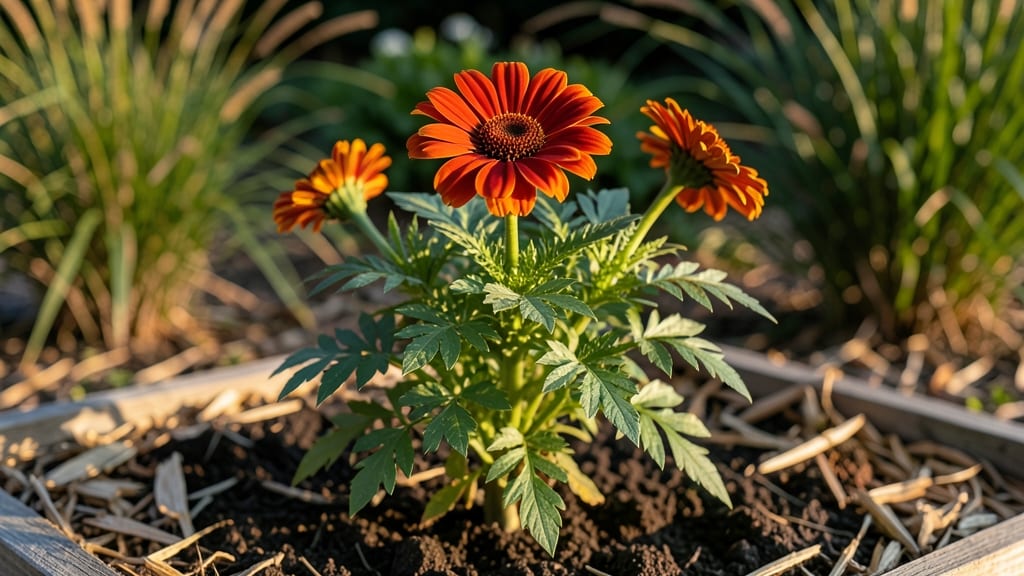
My American Seed Marigold plants are the unsung heroes of my garden—bright orange blooms that keep pests away while adding cheerful color all season. 🌻 The secret to their success? Starting seeds indoors 6-8 weeks before last frost, then transplanting when soil warms to 60°F.
These compact plants (12-18 inches tall) thrive in full sun and even tolerate poor soil, making them perfect for borders, containers, or between veggies.
You’ll need well-draining soil, consistent moisture, and a pinch of balanced fertilizer at planting. The real magic happens when you let them self-seed—next year’s marigolds often pop up without any effort. Their strong scent deters nematodes, aphids, and even rabbits, so they’re a pest-repelling powerhouse that won’t break the bank.
By midsummer, your marigolds will be bursting with blooms that last until frost, their petals turning papery as they age. Snip spent flowers to encourage more blooms, and save seeds for next year’s garden.
The best part? These marigolds are disease-resistant, so you won’t waste time battling fungal issues like you might with other flowers.
Whether you’re filling gaps in your flowerbeds or protecting your veggies, these marigolds deliver low-maintenance beauty with high rewards. Start a few this spring, and you’ll have a self-sustaining pest barrier that keeps coming back year after year.
📚 In This Guide
- What you need
- Instructions
- Tips and common mistakes
- Wrapping up and next steps
What you need
- ● American Seed Marigold Seeds: 10–20 seeds (or 1–2 seed packets, depending on your space). Choose Tagetes erecta for tall varieties or Tagetes patula for bushier types.
- ● Well-draining potting mix: 5–10 gallons (for containers) or enough to fill garden beds to a depth of 12–18 inches. Use a mix with compost for nutrients.
- ● Containers or garden bed: Containers: 5–6 inch pots (minimum) or larger (12+ inches for multiple plants). Ensure drainage holes are present!
- ● Garden beds: Full sun (6+ hours daily) and loose, fertile soil with a pH of 6.0–7.5.
- ● Watering can or hose: With a gentle spray nozzle for seedlings.
- ○ Plant labels: Optional but helpful for tracking varieties.
- ● Gloves: To protect your hands while handling soil or seeds.
- ● Seedling trays: For starting indoors (if sowing early). Use biodegradable pots to transplant easily.
- ● Fertilizer: Balanced fertilizer (10-10-10): 1–2 tablespoons per plant at planting time.
- ● Slow-release granules: Mix into soil for steady nutrition.
- ● Mulch: Straw or shredded leaves to retain moisture and suppress weeds.
- ● Pest control (organic): Neem oil or insecticidal soap (if pests appear).
- ● Pruning shears: For shaping plants or deadheading spent blooms.
Step-by-Step instructions for planting american seed marigolds
Here’s how to grow these cheerful, pest-repelling blooms with minimal fuss—perfect for borders, containers, or interplanting.
🌱 Step 1: Choose the Right Location and Prepare the Soil
American seed marigolds thrive in full sun, so pick a spot that gets at least 6-8 hours of direct sunlight daily. They tolerate a range of soil types but grow best in well-draining, slightly acidic to neutral soil with a pH between 6.0 and 7.0. If your soil is heavy clay, amend it with 2-3 inches of compost to improve drainage and fertility.
Loosen the soil to a depth of 12 inches with a garden fork or tiller, breaking up any compacted layers. Marigolds are drought-tolerant once established, but they’ll reward you with more vibrant blooms if the soil is rich in organic matter. Avoid fresh manure—it can burn tender roots and delay flowering.
🌱 Step 2: Sow Seeds at the Correct Depth and Spacing
Marigold seeds should be sown ¼ inch deep—any deeper, and they may struggle to emerge. For the 4 plants we’re growing, space seeds 12-18 inches apart in rows that are 18-24 inches apart. This gives them room to spread and discourages fungal diseases that thrive in crowded conditions.
I like to use a small hand trowel to make shallow furrows, drop in 2-3 seeds per spot (they germinate unevenly), and then cover lightly with soil. Water gently but thoroughly to settle the seeds without displacing them. A fine mist from a spray bottle works best—avoid a heavy stream that could wash seeds away.
☀️ Step 3: Provide Consistent Moisture and Watch for Germination
Keep the soil evenly moist but not soggy until germination, which typically occurs in 7-14 days depending on your climate. Marigolds are sensitive to drying out at this stage, so water lightly every 2-3 days if the top inch of soil feels dry. A soaker hose or drip irrigation system is ideal—it delivers water directly to the roots without disturbing the seeds.
Once the first true leaves appear (not the initial seed leaves), thin seedlings to the strongest one per spot. Use clean scissors to snip weak stems at soil level—this prevents disease spread from pulling by hand. The remaining plants will have plenty of space to develop strong root systems and produce abundant blooms.
💧 Step 4: Fertilize and Maintain for Continuous Blooming
After thinning, apply a balanced, water-soluble fertilizer (like 10-10-10) at half-strength every 4-6 weeks during the growing season. Marigolds are light feeders, so over-fertilizing leads to lush foliage but fewer flowers. I also sprinkle a 1-inch layer of mulch around the base to retain moisture, suppress weeds, and keep roots cool.
Deadhead spent blooms regularly by pinching off the faded flowers with your fingers or clean pruners. This encourages the plant to produce more blooms instead of setting seed. In hot climates, marigolds may go dormant in mid-summer—reduce watering slightly to let them rest, then resume care once temperatures drop below 85°F.
✂️ Step 5: Harvest and Enjoy Their Dual Benefits
Marigolds aren’t typically harvested for culinary use, but you can snip individual blooms for bouquets or dried arrangements. The petals release a mild citrus scent when crushed, making them a great companion for other herbs and flowers. To dry marigolds, hang small clusters upside down in a dark, well-ventilated space for 1-2 weeks until the petals crumble easily.
Beyond their beauty, marigolds are nature’s pest deterrent. Plant them near tomatoes, peppers, or French marigolds to repel nematodes, aphids, and even rabbits. Their strong scent masks the aroma of other plants, confusing pests that rely on smell to find hosts. With minimal care, these bright blooms will reward you with color and protection all season long.
Tips & tricks for perfect american seed marigold planting
Here's what I've learned after growing these cheerful blooms for years—the little details that make all the difference between mediocre and show-stopping marigolds.
Sunlight Strategy: While 6-8 hours of direct sunlight is ideal, I've found that morning sun with afternoon shade works surprisingly well in hot climates. The key is avoiding the intense afternoon heat that can stress young plants. If you're planting in summer, provide some afternoon shade for the first 2-3 weeks until they establish stronger root systems.
Soil Prep Secret: The 12-inch soil loosening depth in Step 1 is crucial, but don't stop there. I like to add a handful of bone meal to the bottom of each planting hole before adding the amended soil. This gives roots an immediate phosphorus boost for better root development. The bone meal breaks down slowly, providing nutrients throughout the growing season without risking over-fertilization.
Germination Hack: When sowing those 2-3 seeds per spot in Step 2, I've found that gently pressing each seed into the soil with your thumb (rather than just covering with soil) improves contact with moisture. This small adjustment can make the difference between 50% and 90% germination rates in my experience. The seeds need good soil contact to absorb water efficiently.
Watering Wisdom: In Step 3, the 2-3 day watering guideline works well, but I've learned to adjust based on weather. During hot, dry spells, I water every other day instead of waiting for the top inch to dry. The goal is to keep the soil consistently moist—not soggy—during the critical germination period. A simple finger test in the soil tells me exactly when it's time to water again.
Pro Tips for American Seed Marigold
- Here's what I've learned after growing these cheerful blooms for years—the little details that make all the difference between mediocre and show-stopping marigolds.
- Sunlight Strategy: While 6-8 hours of direct sunlight is ideal, I've found that morning sun with afternoon shade works surprisingly well in hot climates.
- Soil Prep Secret: The 12-inch soil loosening depth in Step 1 is crucial, but don't stop there.
Frequently asked questions
Got questions about growing American Seed Marigolds? You’re not alone! Here are some of the most common queries—plus quick, actionable answers to keep your garden thriving.
When is the best time to plant American Seed Marigolds?
Plant after the last frost when soil temps reach at least 55°F (13°C). For most U.S. zones, this means late spring (April–June). If you’re in a warm climate (zones 8–11), sow seeds in fall for winter blooms! For containers, start seeds indoors 4–6 weeks before transplanting.
Do American Seed Marigolds really repel pests?
These marigolds emit a natural compound called α-terthienyl that deters nematodes, aphids, and even rabbits. Plant them near tomatoes, peppers, or French marigolds for a pest-free zone. Bonus: Their scent also masks other plants from pests like deer!
How often should I water American Seed Marigolds?
Keep soil consistently moist but not soggy—about 1 inch (2.5 cm) of water per week. Water at the base (not leaves) to prevent fungal diseases. Once established, they’re drought-tolerant, but yellowing leaves signal underwatering or overwatering.
Can I grow American Seed Marigolds in containers?
Yes! They thrive in pots with well-draining soil and at least 6–8 inches of depth. Use a mix of potting soil and compost, and place containers in full sun (6+ hours/day). Just ensure pots have drainage holes to avoid root rot.
Why aren’t my American Seed Marigolds blooming?
Check these fixes:
- Too much nitrogen? Use a low-nitrogen, high-phosphorus fertilizer (like 5-10-5) to encourage flowers.
- Not enough sun? Relocate to a sunnier spot—they need 6+ hours of direct light.
- Overcrowding? Thin seedlings to 12–18 inches apart for better airflow and blooms.
Wrapping up and next steps
Growing American Seed Marigold isn’t just about adding vibrant color to your garden—it’s a natural, eco-friendly way to keep pests at bay while boosting your garden’s beauty! 🌼 With the right soil, sunlight, and care, these cheerful blooms will thrive and reward you with months of effortless charm.
Ready to level up your gardening game?
Your next step? Grab those seeds, pick a sunny spot, and get planting! Whether you’re a seasoned gardener or just starting out, marigolds are the perfect low-maintenance superstars to brighten up your outdoor space. Happy growing! 🌱